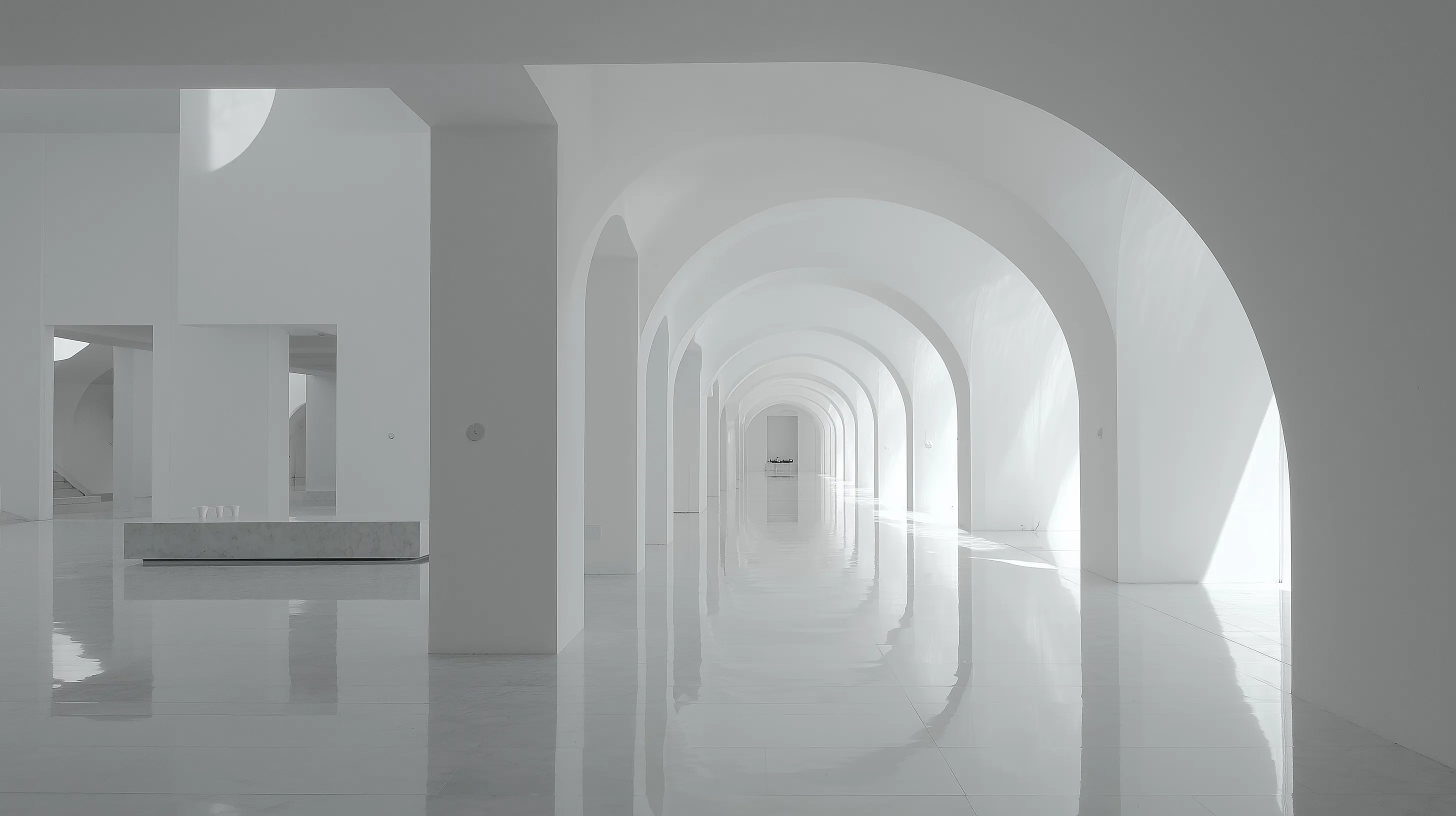
The most visually sophisticated profession on earth.
But they have the least sophisticated tools to show for it.
Architects design the world's most ambitious spaces. Then they put them in a PDF and hope someone notices.
For forty years, the profession with the most to show has communicated its value using tools built for accountants.
We are not here to make a better slide deck. We are building the intelligence layer that tells you who is actually reading your proposal, what is holding their attention, and which stakeholders you have never been introduced to are already forming an opinion about your work.
AI commoditized execution. What is left is how well you make clients believe. That is a presentation problem. That is an intelligence problem. Those are the only problems worth solving.

Kitae Kim
Co-Founder, Design & Strategy
Kitae designed experiential environments for a decade. Installations that stopped people mid-stride. Spaces that defined a brand, a neighborhood, a moment. He was good at it.
He lost anyway.
Firms with weaker portfolios kept winning work his team deserved. Not because they had better ideas. Because they had better PDFs.
He watched clients forward static documents to committees he had never been introduced to, then try to make a ten-million-dollar decision with no one in the room who had actually seen the work.
The one that broke it: a debrief after losing a major cultural project to a lesser firm. The feedback was three words. "Hard to follow."
The work was extraordinary. The PDF was not. Kitae decided the problem was not design. It was everything that happens after design sends its work out the door. He left to fix it.
Ian Petrarca
Co-Founder, Engineering & Product
Ian started in live production. Sound engineering. The job where everything has to work, on time, in the right order, in front of an audience that notices when it does not.
That work teaches you something most software engineers never learn: the gap between a great design and a great outcome is almost never a talent problem. It is a coordination problem. A communication problem.
When Kitae described what he wanted to build, Ian saw it immediately.
Not just the technical challenge, which is real: 3D models, video, real-time analytics, stakeholder tracking, all moving at the speed design firms actually work. The structural problem underneath.
Architects were not giving bad presentations. They were broadcasting into a void. No signal back. No way to know who was engaged, who was skeptical, who had forwarded the link to someone who would eventually kill the deal.
Ian calls it deal intelligence. What it means: knowing who is in the room before they call you back. What they looked at. What they skipped. Who is weighing budget against vision and which direction they are leaning.
Sales organizations have had this for years. Design firms are getting it now.

A Modest Proposal for the Architectural Profession
Design has been polite for forty years. It accepted less than it was worth and called that professionalism. It smiled through low fees and spec work and "we'll keep you in mind for next time." Read the essay about why that ends now.
Read the EssayWhy we built this