The profession is burning out.
The proposals aren't working.
The math is broken.
Architecture is one of the most demanding professions in the world. It is also one of the worst at capturing the value it creates. Foveate is built to fix both.
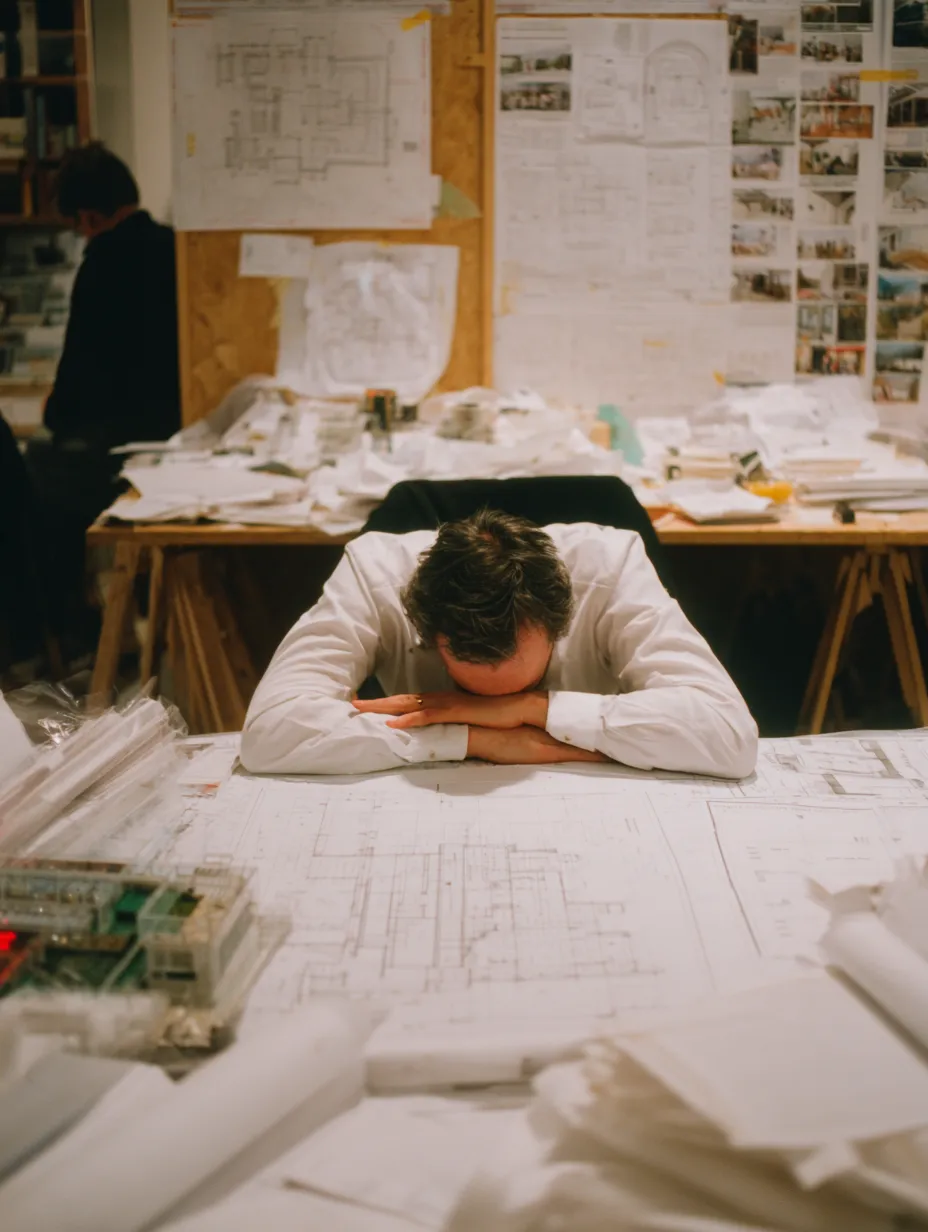
The real cost
You're not losing bids. You're losing the room.
The decision about your project isn't made when you send the proposal. It's made in the conversations that happen after, in rooms you aren't in, between people you can't see, reading documents you can't track.
The typical design firm spends 3–5% of project fees on business development. On a $500K project, that's $15K–$25K in proposal time. Sent as a PDF attachment that may never be opened past page two.
Foveate doesn't just improve your proposal. It shows you what happens after you send it: who opened it, what they spent time on, who forwarded it, and what questions they left unasked.
47-page PDF nobody finishes
One link. Every file. Any device.
'Just checking in' follow-up emails
Know when to call before they reach out.
Guessing which stakeholder matters
See the entire decision-making network.
6 weeks in InDesign per proposal
First design proposal in under 30 minutes.
The Numbers The Industry Doesn't Talk About
The market demands more with fewer people. Firms are expected to compete on every RFP, deliver exceptional work, and run lean, simultaneously. Burnout isn't a character flaw. It's the predictable output of a broken model.
Talented designers have options. The firms that retain them reduce wasted effort and create more wins. Every lost pursuit isn't just revenue. It's morale.
Seven years of training. Months of work. Four minutes of attention, if you're lucky. The problem isn't your work. It's the format.
The average AEC firm loses 6 of every 10 bids. Not because their work is worse. Because their proposals are forgettable. A static PDF in a crowded inbox is already a loss.
Run the numbers for your firm
Adjust the sliders to see what your current process is actually costing you — and what changes when you fix it.
Assumes 40 hours per person and $150/hr blended rate. Labor costs only.
18 losing pursuits × 4 people × 40 hrs × $150/hr
18 losing pursuits × $150K avg project value
What actually changes when you use Foveate
You stop guessing
You know which stakeholders reviewed your proposal, which sections they spent time on, and what questions they left unasked. Follow-up stops being a lottery.
Your proposals get faster
Most firms build their first design proposal in under 30 minutes. No InDesign. No version chaos. No emailing yourself the final-final-v3 file.
Your fees hold
When clients can see your work the way you intended, immersive, interactive, and clearly reasoned, the value of what you do becomes undeniable. You stop discounting to win.
Everything we know about fees and value
Pricing the work properly, defending the number, and getting clients to value design in the first place.
How To
How to Price Architecture Services: Complete Guide to Fee Structures
Most architects default to hourly or percentage-of-construction because that's what they were taught. But these models have a fundamental flaw: they cap your upside while exposing your downside. Here's a complete guide to all six pricing models — including subscription fees and equity deals that the industry has largely ignored.
10 min read
How To
How to Charge More as an Architect: The Fee Positioning Guide
The fee conversation doesn't start when the client asks 'what do you charge?' It starts the moment they open your proposal. Firms that command premium fees aren't better negotiators — they're better at making the value self-evident before the number appears.
9 min read
How To
How to Negotiate Architecture Fees Without Losing the Client
Most architects negotiate against themselves when a client pushes back on fees. Here are 5 strategies from 20 years of fee conversations that protect your margins without losing the relationship.
9 min read
Insights
Why Are Architecture Fees So Low? The Real Reasons (And How to Fix It)
Architecture fees are low because of three converging factors: abolished fee scales, oversupply, and failure to communicate value. The result is 5-15% profit margins while contractors make 20-30%. But the fee problem is a symptom, not the disease.
9 min read
Insights
How to Get Clients to Value Your Design Work
If your clients don't value design, the problem isn't the clients. It's how you're communicating. Clients want to value design—they just can't see why they should pay more for yours. Here are the 5 shifts that change value perception.
9 min read
The math works.
The question is when you start.
For 10+ person firms ready to move. Join as a Founding Partner and shape the platform from day one.
Want the numbers first? See full pricing